


Income-Generating Properties to Lead Real Estate Investment Trends: Hany Farag

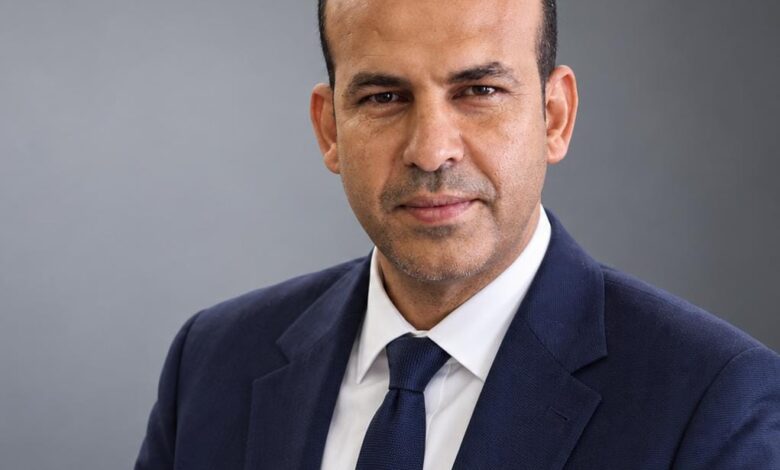
Hany Farag, Chairman of Deyaar Construction and Development, said income-generating properties are expected to play a growing role in real estate investment in the coming period, as investors increasingly seek assets capable of generating sustainable returns through occupancy or leasing while retaining their market value over the long term.
“Income-generating real estate is one of the most important investment opportunities in the coming phase,” Farag said, stressing the importance of assessing properties based on their ability to meet actual market demand, generate regular cash flows, and account for operating, maintenance and asset management costs after handover.
He noted that real estate remains an important option for investors seeking to protect their savings against inflation and market volatility. However, he said the effectiveness of real estate as a store of value depends on selecting the right asset, ensuring sound contractual arrangements and assessing a developer’s ability to deliver.
“A safe haven starts with an asset that is in demand and a developer capable of delivering,” Farag said.
Market Demand and Asset Quality
Farag said understanding consumer needs and economic activity is essential to identifying investment opportunities across residential, commercial and administrative developments. Location, available services and the intended use of a property are key factors determining its ability to attract residents and tenants.

“The strength of a property begins with people’s need for it,” he said, adding that understanding end users enables developers and investors to make better-informed decisions and provide spaces and services aligned with actual demand.
He also highlighted the importance of timely project delivery, noting that delays can affect when investors begin using their properties or generating rental income.
“Time is part of an investor’s capital,” Farag said, explaining that investment feasibility studies should account for the impact of potential delays on costs and expected returns.
Asset Management and Leasing to Support Returns
Farag called for expanding property management, leasing and maintenance services, alongside improving access to information on operating costs and occupancy rates to help property owners assess the actual performance of their investments.
He said calculating rental returns requires consideration of operating expenses, vacancy periods and unit preparation costs to provide a realistic assessment of potential income.
He also stressed the importance of liquidity management in real estate investment decisions.
“Liquidity gives investors the freedom to make decisions,” Farag said, noting that aligning instalment commitments with income and maintaining sufficient financial reserves can provide greater flexibility during market fluctuations.
Integrated Urban Development and Long-Term Value
On urban development, Farag said successful cities must create economic activity around real estate assets by integrating residential communities with employment opportunities, services and commercial activities.
“Successful cities build an economy around real estate,” he said, adding that this integration supports sustained use of developments and creates broader opportunities for investment and economic growth.
Farag disclosed that successful real estate investment requires careful planning, disciplined execution and effective asset management to preserve and increase value over time.
“Capital needs management to protect it and a vision to grow it,” he concluded.